There’s a reason so many homeowners are calling contractors about deck installation in Austin, TX right now, and it’s not just because the weather is finally cooperating. The outdoor living movement has taken serious hold here, and people are realizing that a well-built deck isn’t a luxury add-on. It’s a functional extension of the home. But before you start scrolling through photos of dream decks, there are a few things worth knowing that most contractors won’t bring up until you’re already mid-project.
Austin’s Soil and Climate Will Humble Even the Best-Laid Plans
This city is not easy on structures. Austin’s expansive clay soil shifts constantly, it swells when it rains and contracts when it dries out, which happens fast during a Central Texas summer. That movement puts real stress on footings and posts over time. A deck that’s built without accounting for that soil behavior can start showing problems within a few years: boards popping up, posts leaning slightly, railings that don’t feel solid anymore.
This is why deck foundation engineering matters more here than in most parts of the country. Concrete piers need to be drilled deep enough to get below the active zone of that clay, typically deeper than what you’d see in a northern state. Contractors who don’t factor this in are cutting corners that will cost you later. Before you sign anything, ask specifically how your builder plans to handle footings given local soil conditions. If they look at you blankly, that’s your answer.
The heat is its own challenge too. Prolonged UV exposure fades and dries out wood faster than most people expect. That’s not a reason to avoid wood, cedar and pressure-treated pine can both hold up beautifully with proper maintenance, but it does mean your material choice and finishing plan need to be intentional from the start.
The Material Decision Isn’t Just About Looks, It’s About Your Life
Most homeowners walk into a deck project with a vague preference for “wood” or “that composite stuff,” and that’s fine as a starting point. But the real question is how you actually plan to use the space and how much ongoing maintenance you’re willing to do.
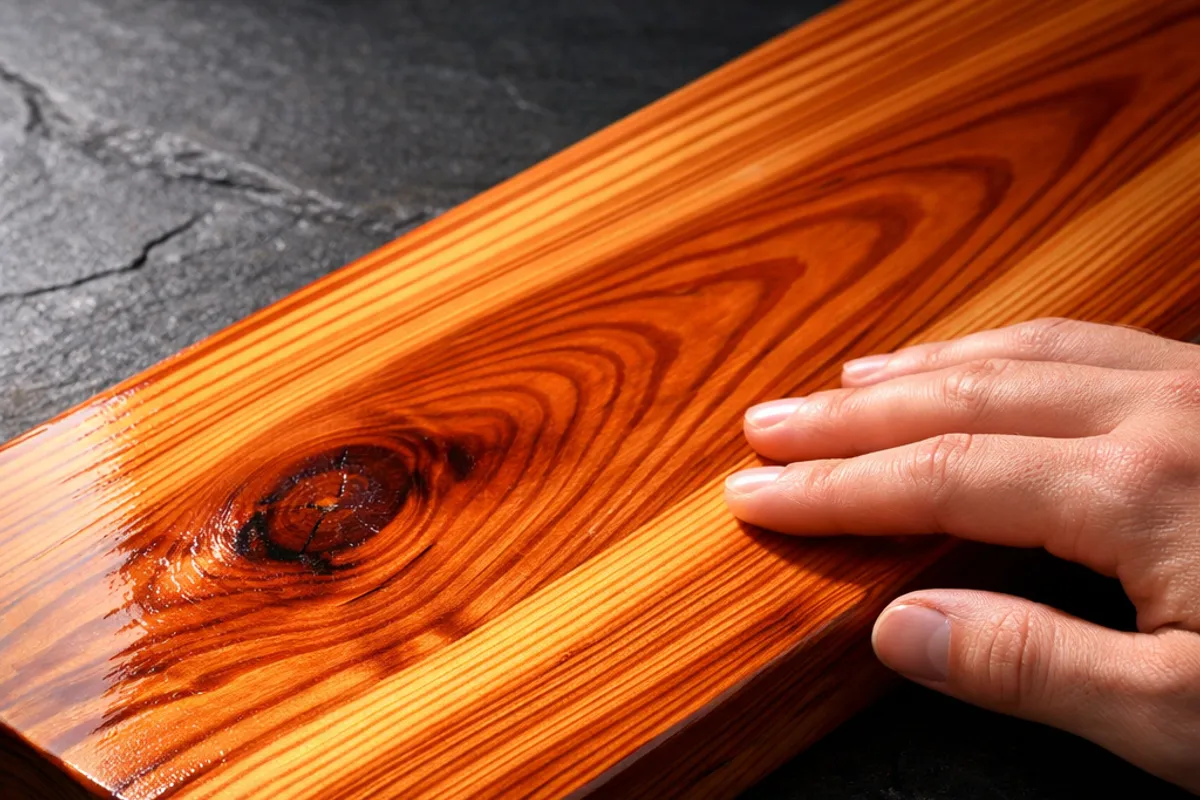
Wood decks have a warmth and character that composite materials still haven’t fully replicated. Cedar, in particular, is a strong choice for Austin and the surrounding Hill Country, it’s naturally resistant to insects and rot, and it takes stain beautifully. The trade-off is that you’ll need to commit to regular deck staining and sealingespecially given how aggressively the sun works on exposed surfaces here.
Composite decking is the right call for homeowners who want a low-maintenance surface that holds its color and doesn’t need annual upkeep. It costs more upfront, but many people find the math works out over a decade when you factor in staining, sealing, and potential board replacement. The downside? It can get hot underfoot during peak summer afternoons, which is worth thinking about if you have kids or pets who’ll be out there barefoot.
If your yard has a slope, and plenty of Austin properties do, especially in the Hill Country and western neighborhoods, the conversation gets more interesting. Sloped lot decks require more structural planning, but they can produce some of the most dramatic and usable outdoor spaces imaginable. Don’t let a challenging yard talk you out of the project.

Permits, HOAs, and the Paperwork Nobody Wants to Talk About
Here’s where a lot of homeowners get tripped up. Austin requires permits for most deck construction, and the process involves submitting plans, waiting for approval, and scheduling inspections. It’s not optional, and it’s not just bureaucratic red tape, unpermitted structures can create serious problems when you go to sell your home.
If you live in a neighborhood with a homeowners association, add another layer to that process. HOAs often have specific rules about deck size, materials, colors, and setbacks. Some even require pre-approval before you can submit anything to the city. Working with builders who have experience navigating HOA requirements can save you weeks of back-and-forth and prevent costly redesigns after you’ve already fallen in love with a plan.
A good contractor handles all of this for you, pulling permits, managing inspections, and keeping the project moving without putting that burden on the homeowner. If a contractor tells you permits “aren’t necessary” for your project and your gut says otherwise, trust your gut.
What Separates a Good Project From a Great One
The homeowners who end up happiest with their decks are almost always the ones who spent time thinking about how they actually live before they started talking about boards and balusters. Do you entertain large groups? A wider staircase and open layout matters. Do you want a quiet morning coffee spot? Shade and privacy screening become priorities. Do you have a pool? The surface material and slip resistance around a pool deck need specific attention.
Experienced builders in this area, the kind who’ve worked through Austin’s soil challenges, permit processes, and material demands across hundreds of projects, tend to ask a lot of questions before they ever talk numbers. That’s a good sign. The ones who hand you a quote after a ten-minute walkthrough are often the ones who leave out the details that matter.
If you’re ready to start planning, getting a realistic project estimate is a smart first step. It gives you a real number to work with and usually surfaces questions you hadn’t thought to ask yet. That conversation alone can save you from surprises down the road, and in a project like this, surprises are rarely the good kind.
Frequently Asked Questions
How deep do footings actually need to be in Austin given the clay soil?
Austin’s expansive clay soil swells when wet and contracts when dry, so concrete piers need to be drilled below the active zone of that clay, which typically means going deeper than what builders in northern states would use as a standard. If your contractor can’t give you a specific answer about footing depth relative to local soil conditions, that’s a real warning sign. Decks built without accounting for that soil movement can show problems within just a few years: boards popping up, posts leaning, and railings that feel loose.
Is cedar actually worth it over pressure-treated pine for an Austin backyard?
Cedar is a strong choice for this area specifically because it’s naturally resistant to insects and rot, and it takes stain well, both of which matter in Central Texas. That said, the article doesn’t argue cedar is the only right answer; pressure-treated pine can also hold up well with proper maintenance. Either way, you’ll need a real finishing plan from the start because the Austin sun fades and dries out exposed wood faster than most homeowners expect.
What’s the actual downside of composite decking in Austin’s climate?
Composite holds its color and skips the annual staining and sealing that wood requires, but it gets noticeably hot underfoot during peak summer afternoons. If you have kids or pets who’ll be out there barefoot, that’s worth thinking through before you commit to the material. The higher upfront cost can balance out over a decade when you factor in what you’d spend maintaining a wood surface, but that math only works if the surface is actually comfortable to use.
Do I really need a permit for a deck in Austin, or can a contractor skip that step?
Austin requires permits for most deck construction, and that includes plan submission, city approval, and scheduled inspections, it’s not optional. An unpermitted structure can create serious problems when you sell your home, so if a contractor tells you permits aren’t necessary and something feels off about that answer, trust that instinct. A reliable contractor pulls the permits and manages the inspections without putting that work on you.
My yard has a significant slope, does that rule out a deck or make it more complicated than it’s worth?
A sloped lot requires more structural planning upfront, but the article is direct that it doesn’t rule out a deck, in fact, sloped properties in Austin’s Hill Country and western neighborhoods can produce some of the most dramatic and usable outdoor spaces. The extra planning is real work, but it’s a solvable problem for builders who have experience with it. Don’t let a challenging yard push you away from the project before you’ve had that conversation with someone who actually knows what they’re looking at.
Get Directions to Top Notch Deck Builder
🎧 Listen to this as a podcast
Also on Apple Podcasts, Spotify, and Amazon Music.