Most homeowners think replacing a deck is roughly the same job it was ten years ago. Pull off the old boards, sister in some new joists if needed, lay down fresh decking, done. That assumption costs people money, time, and in some cases, a failed inspection. The process has changed more in the last few years than it did in the two decades before, and walking into a project without understanding those changes leads to bad bids, wrong materials, and surprises that show up well after the contractor has left.
Permits, Inspections, and Why the Bar Got Higher
Austin’s permitting requirements for structural deck work have tightened considerably. What once might have slipped through as a simple repair now triggers a full structural review, especially when the existing frame is being replaced or the footings are being touched. In Clarksville, Austin, TX, where a lot of the residential lots are compact and the homes sit close together, setback verification and footing depth documentation have become standard parts of the process, not optional extras.
The practical effect for homeowners is that the timeline is longer. A project that starts with demo can sit waiting on an inspection for a week or more before framing resumes. Contractors who skip that step are not saving you time. They are creating a liability that follows the property. Top Notch Deck Builder pulls permits on every structural job and factors that window into the schedule upfront, which means fewer surprises mid-project.
Ledger attachment is another area where standards have shifted. Current code in Austin, TX requires specific flashing and fastener patterns that were not always enforced or even required before. An improperly flashed ledger is one of the most common sources of rot and structural failure, and it is also one of the things most likely to fail a resale inspection years later.
What the Material Landscape Actually Looks Like Now
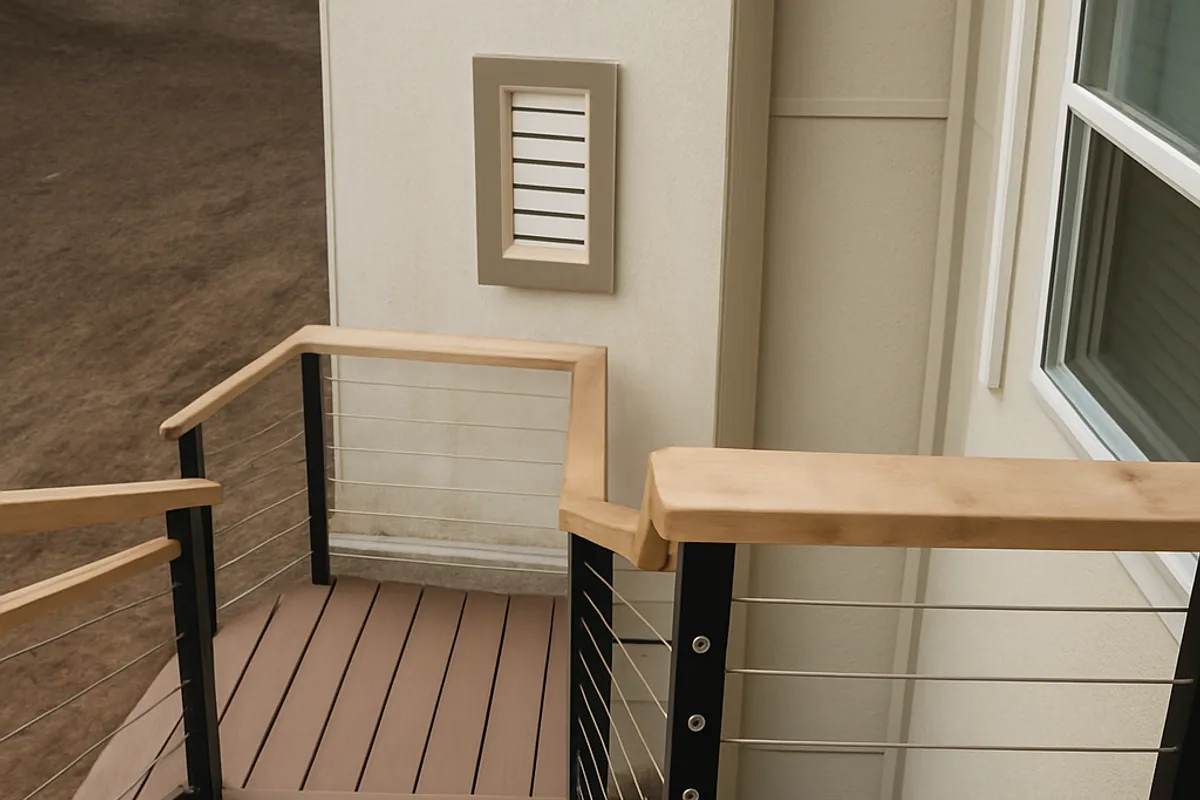
Composite decking has matured. The products available in 2026 are not the same as what was being installed five or eight years ago. Early composites cupped, faded unevenly, and had surface textures that trapped grit and moisture. Current-generation capped composites hold up substantially better, and the price gap between a quality composite and premium pressure-treated lumber has narrowed enough that the comparison is no longer straightforward.
That said, composite is not always the right answer. For a second-story structure or a deck with a complex frame, the weight difference between materials matters. Pressure-treated pine, installed correctly with proper ventilation and the right fasteners, still performs well in the Austin, TX climate where heat and humidity cycle hard through the year. The honest answer is that the right material depends on the structure, the exposure, and the budget, not on which product has the best marketing at the moment.
Hidden fastener systems have also become much more common. They produce a cleaner surface and reduce the splitting that comes from face-screwing near board ends. The trade-off is that they add labor time and cost, and they make future board replacement slightly more involved. Top Notch Deck Builder’s view is that hidden fasteners are worth it on composite installations but are not always necessary on painted or stained wood where the fastener heads can be filled cleanly.
Pricing Realities That Catch Homeowners Off Guard
Material costs have not returned to pre-2022 levels. Lumber pricing stabilized somewhat, but composite and PVC products, along with hardware and concrete for footings, remain meaningfully higher than they were several years ago. A mid-range deck replacement in the Clarksville area, depending on size and material choice, typically runs somewhere between $18,000 and $35,000 for a straightforward single-level structure. Complex framing, stairs, railings, and built-in features push that number higher.
Low bids are worth scrutinizing carefully. The most common way a low bid stays low is by underspecifying the frame, skipping the permit, or using a lower grade of material than what was discussed. Getting a detailed written scope, not just a total price, is the only way to compare bids honestly. If one contractor is $8,000 cheaper and the scope looks identical on paper, something is different that is not on paper.
Labor rates have also risen. Skilled framing carpenters are in demand across the region, from Old West Austin down through the newer suburban builds. That reality is baked into any honest quote you receive today. If you want to get a realistic sense of what your project might cost before committing to anything, getting a proper estimate from a contractor who will walk the site is the right first step.
The Structural Inspection Step Most People Skip
Before any work begins, a thorough assessment of what is actually there matters more than most homeowners realize. Rot in a rim joist, a footing that has heaved, a ledger that was never properly attached, these are not visible from the surface. Deck replacement in Clarksville becomes a different project the moment you pull up the first few boards and find that the frame underneath has been compromised. Contractors who do not inspect before pricing are guessing, and the homeowner absorbs the cost when the guess is wrong.
Top Notch Deck Builder treats the structural assessment as a non-negotiable part of the pre-construction process. What you find under the surface determines what the job actually is, and that information belongs in the scope before anyone signs anything.
Top Notch Deck Builder serves homeowners across Austin, TX as a local resource for deck replacement and structural deck work. If you have questions about a project or want a straight answer about what your situation actually requires, reach out directly. Austin, TX, (512) 215-3767.
Frequently Asked Questions
What should I prepare before starting a deck construction project?
Before starting a deck construction project, homeowners should assess their yard space and consider any existing structures. It’s also important to think about the intended use of the deck, such as entertaining or relaxing, which can help guide decisions on size and materials.
How much does it typically cost to build a deck?
The cost of building a deck can vary widely based on materials, size, and design. Homeowners should budget for both materials and labor, and it’s advisable to get multiple quotes to understand the price range for their specific project.
What are some common mistakes homeowners make when constructing a deck?
Common mistakes include underestimating the required permits, neglecting to consider maintenance needs, and not factoring in the deck’s placement concerning sunlight and shade. These oversights can lead to increased costs and dissatisfaction with the final product.
What should I watch out for when hiring a deck contractor?
When hiring a deck contractor, homeowners should look out for proper licensing and insurance, check references, and ensure clear communication about project timelines and costs. Being cautious of unusually low bids can also prevent future issues with quality and service.
Get Directions to Top Notch Deck Builder
🎧 Listen to this as a podcast
Also on Apple Podcasts, Spotify, and Amazon Music.